Mouse Droppings in Your Insulation: What Happens Next
Pest control deals with the mice first. Then our crew takes out the soiled insulation, cleans the space and puts new insulation in.
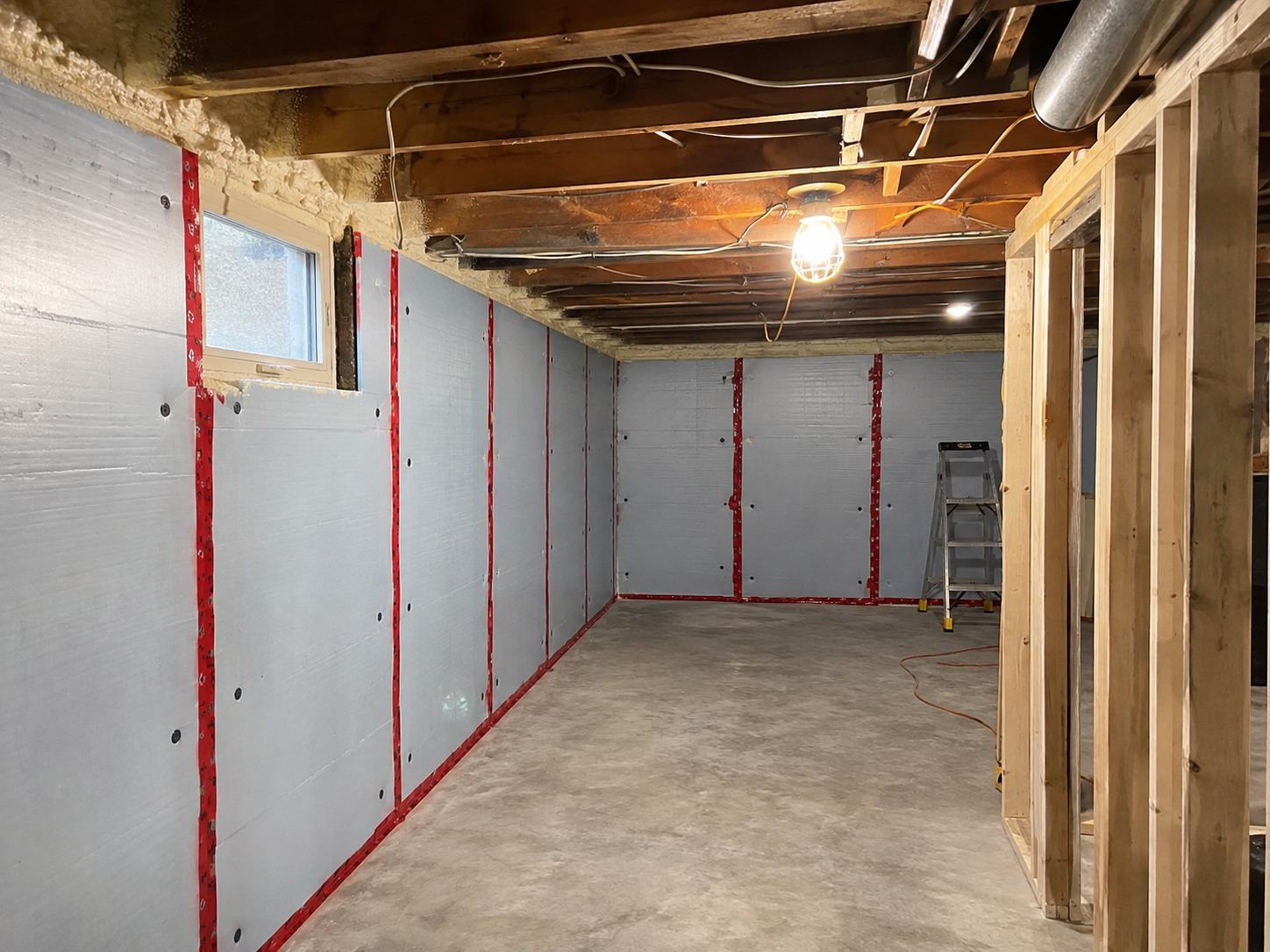
Finding mouse droppings in your insulation means the job happens in two parts, and the order matters. First, a pest-control company deals with the mice and finds how they got into the house. After that, our crew takes out the soiled insulation, cleans up and puts new insulation in. That is our insulation removal work here in North York.
What you might be seeing
In attic insulation, mouse droppings look like small dark grains about the size of rice. They sit on top of the fibre or along the attic floor near the hatch. In a basement you find them along the sill plate, on top of the rim joist insulation and in the corners where the floor joists meet the wall.
Mice that have lived in insulation for a while change its shape. Loose blown-in fill gets tunnels through it. Near the eaves you may find a nest of shredded paper facing or fibre packed into a corner.
A sharp, stale smell through the ceiling fixtures or around the hatch means urine has soaked into the insulation. A house may show some of these signs, not all of them. A few droppings by the hatch is one job. A matted attic floor that smells is a bigger one.
Pest control comes first
A pest-control company deals with the mice before we touch the insulation, and they find the way the mice got in. That part is theirs. We start when they are done.
The reason is simple. Put new insulation into an attic the mice still use and it becomes their next nest. The work goes with it.
Who does what, in order:
- You: leave the droppings and the insulation where they are.
- Pest-control company: deals with the mice and how they got into the house.
- Our crew: takes out the soiled insulation and cleans the space down.
- Our crew: air seals the bare ceiling and puts new insulation in.
Taking the soiled insulation out
We take rodent damaged insulation out with an industrial vacuum. It pulls the loose fill through a long hose into removal bags outside the house, so nobody carries armfuls of it down through your rooms.
Batts with nests or urine in them come out by hand. We cut them free, bag them in the attic and bring the sealed bags down through the hatch.
Once the fibre is out, we clean the attic floor. Droppings, nesting material and debris come off the drywall and the joists, and the new insulation goes down on a clean surface.
Before we get there, leave it alone. Keep the hatch closed and the insulation where it is. When you are ready, First Choice Insulation North York can come up, look at the attic and give you a straight quote.
New insulation in
To replace insulation after mice, we wait until the attic floor is bare and clean. That is when every gap in the ceiling is easiest to reach.
We air seal first. Our crew puts foam or sealant around light boxes, the plumbing stack, wiring holes in the top plates and the edges of the hatch. That stops warm, moist air from the rooms below leaking into the attic.
Then we blow fibreglass or cellulose back across the attic floor to full depth, depending on the space. From here it is the same work as our attic insulation service, with the cleanup done first.
Basements go in the same order. The soiled batts come off the rim joist, we clean the area, and new insulation goes back in.
Spray foam and mice
We can't promise closed-cell spray foam stops mice, so count on it as insulation, not as a way to keep them out. Closed-cell foam sets hard and dense and works well on a rim joist or a crawl space wall. Foam stops air and holds heat, and we will not sell it to you as anything more. Keeping mice out stays with pest control.
On foamed areas, check for:
- Crumbs of foam on the floor under the rim joist.
- Gnaw marks or small holes in the foam face.
- Droppings along the sill plate or on top of the foam.
- A spot where the foam has pulled away from the framing.
If you find vermiculite while you're looking
Stop and leave it alone. Vermiculite is a loose, pebbly fill, grey-brown to gold, that sits between the attic joists in some older homes and pours like coarse gravel.
Health Canada's advice on vermiculite is to leave it alone: some of it may contain asbestos, and not disturbing it is the best way to minimize the risk.
If there is vermiculite under the fibre or mixed into it, our work in that attic stops for now. We leave it untouched and ask you to have a qualified lab or abatement firm test it before anyone does more up there. If removal is needed, a licensed abatement firm does it; once the attic is clear, new insulation can be planned.
Related questions
Yes. Insulation with droppings, urine or nests in it should come out and be replaced once the mice are gone. Soiled fibre holds the smell, and it flattens where the mice have tunnelled. We vacuum it out, clean the attic floor and blow in new insulation to full depth.
We can't promise closed-cell spray foam stops mice, so don't count on it to keep them out. On foamed rim joists, look for foam crumbs, gnaw marks and droppings along the sill plate. Keeping mice out of the house is the pest-control company's job.
No. Leave the droppings and the insulation alone until the mice are dealt with and our crew can take it out. A household vacuum can't pull loose fill out of an attic, and stirring it up spreads the mess. Keep the hatch closed in the meantime.
Services
How we can help in North York
Garage Insulation
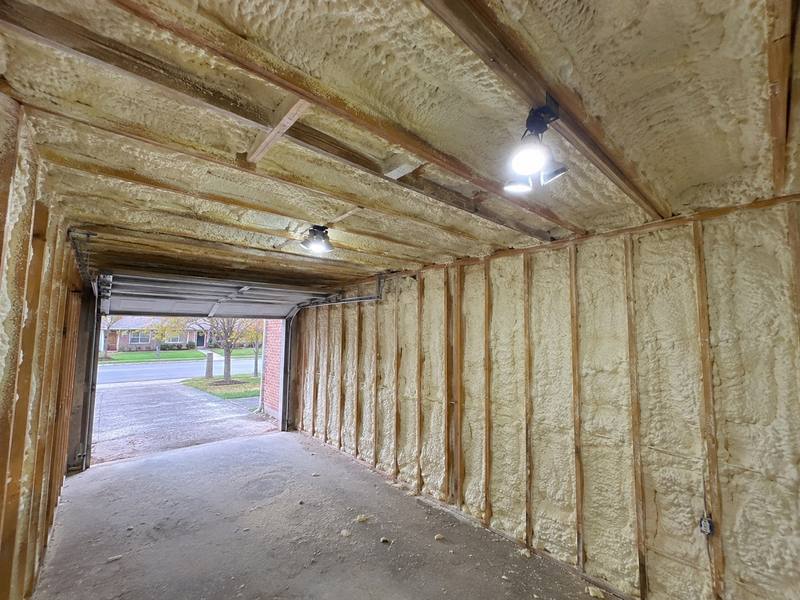
We spray closed-cell foam into the garage ceiling under a cold room, so the floor above stops losing its heat to the garage.
Learn more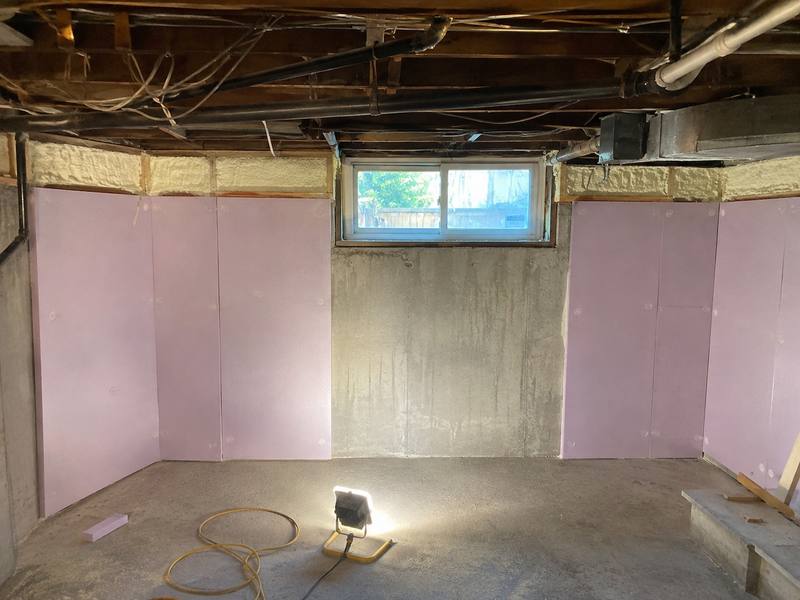
Basement & Crawl Space Insulation
Closed-cell spray foam for rim joists, foundation walls and crawl spaces, sprayed once any water problem is fixed.
Learn more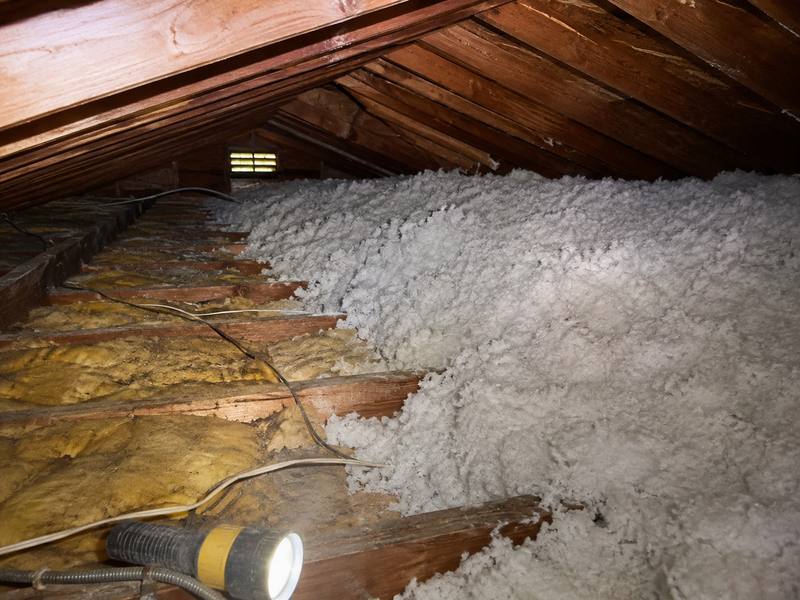
Attic Insulation
We seal the attic floor and set baffles to keep the eaves open, then blow fibreglass over the insulation you already have.
Learn more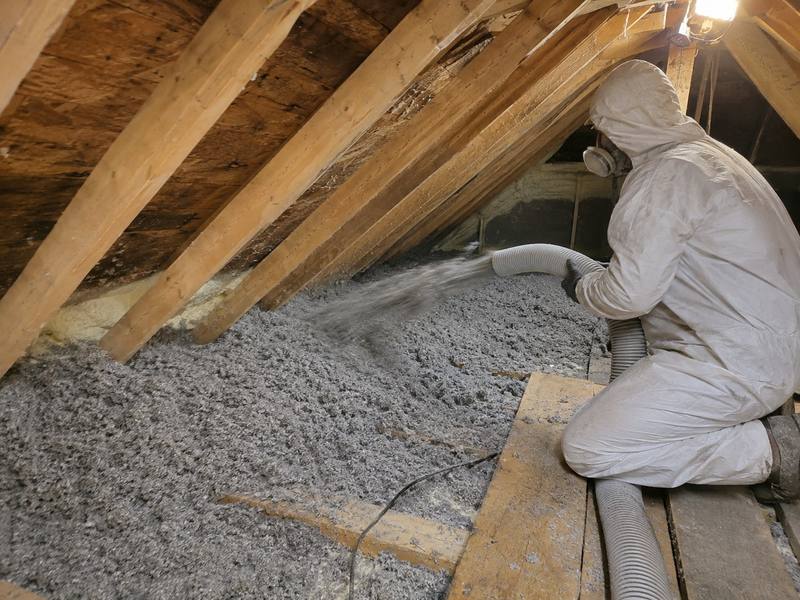
Cellulose (Blown-In) Insulation
We dense-pack cellulose into closed walls through small plugged holes, and we blow it over attic floors in homes in North York and nearby.
Learn more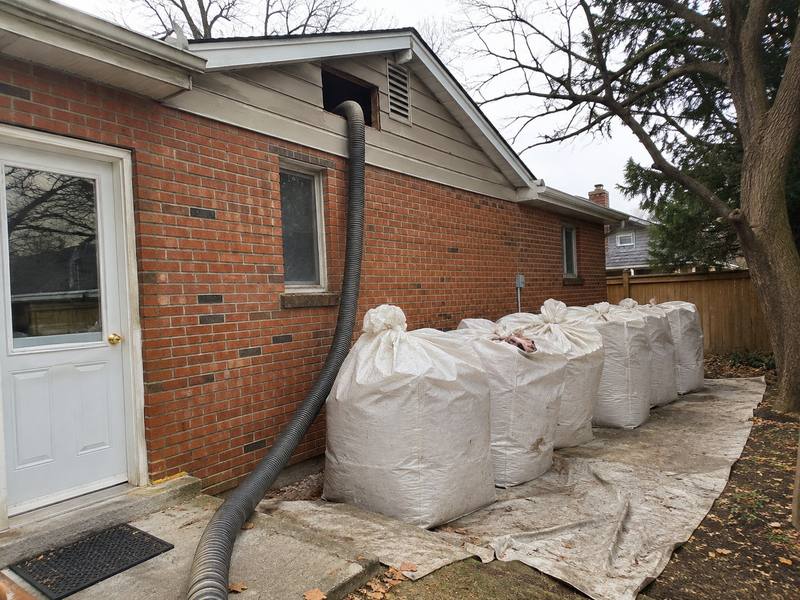
Insulation Removal
We take out insulation that is wet, flattened or soiled by mice, clean the attic floor down and leave it ready for new material.
Learn more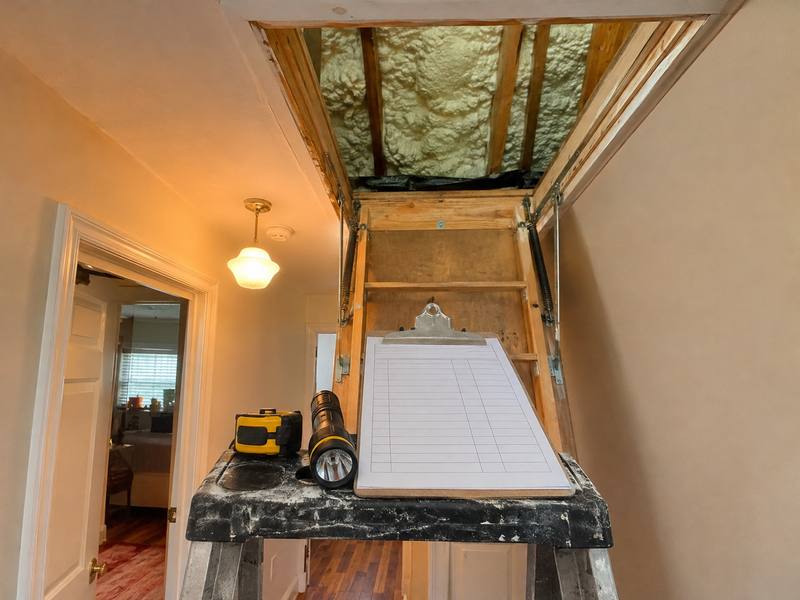
Insulation Rebates
How Home Renovation Savings works for attic, wall, basement and floor insulation, and what to gather before you apply.
Learn more
Get a quote
Get a spray foam or insulation quote in North York
Call (437) 563-1415 or send the form. Tell us which room is cold, drafty or hot. We will come look at the spot behind it and give you a straight written quote.