Spray Foam Insulation in Westmount, ON
Spray foam, blown-in and basement insulation for homes in Westmount and Humber Heights, chosen for the part of the house that feels cold.
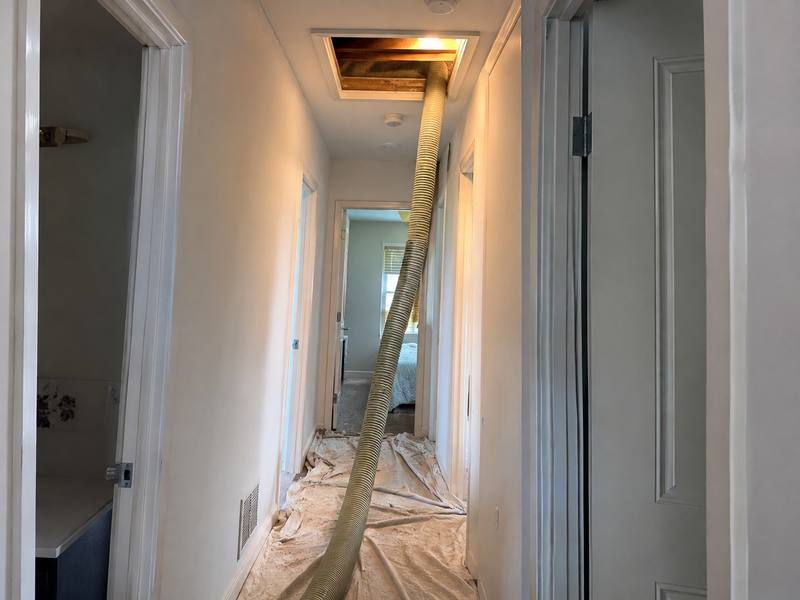
We install spray foam insulation in Westmount across the M9P postal area, and we put in blown-in fibreglass or cellulose where there is open room to fill. We're about 5 km away. We start with what you notice, like a cold floor or an upstairs that won't cool down, and trace it back to the part of the house behind it.
Large houses and modest ones
Humber Heights-Westmount runs from the west bank of the Humber River over to Royal York Road, and south to Eglinton Avenue West. Most of it is low-density single homes, from the big houses on Yorkleigh Avenue and Westmount Park to more modest ones.
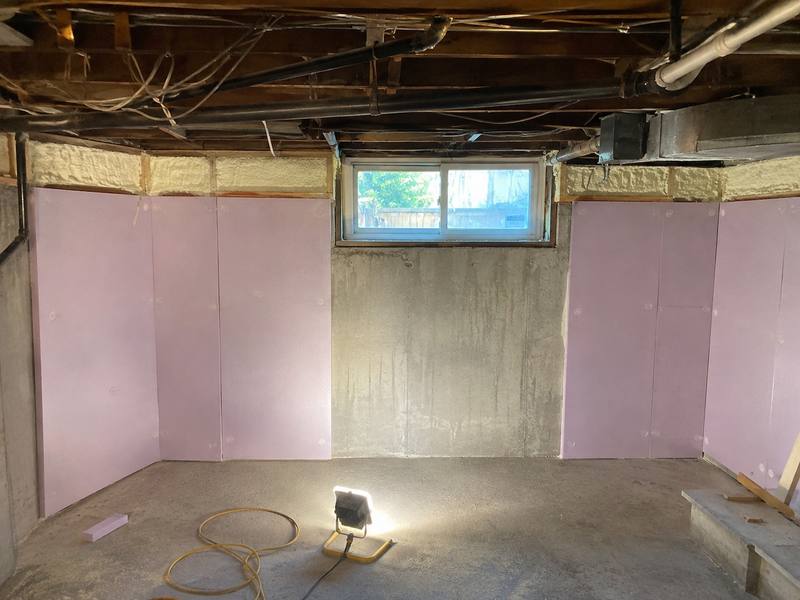
When a floor feels cold along an outside wall, the rim joist is the usual cause. Outside air gets in where wood meets concrete, and closed-cell spray foam is what we use there. Each bay between the floor joists is a small, awkward box that batts never fill properly, and one layer of foam stops air and vapour together.
A bigger house has more rim joist to seal and more basement wall below it. So the larger Westmount houses have more to fill, and what you do with those basement walls becomes a bigger decision. The materials for walls and crawl spaces are on our basement and crawl space insulation page.
Built on 1960s farmland
Much of the low-density housing in Humber Heights was built on former farmland in the 1960s. Some of those houses still have their original thin attic floor, and you feel it as an upstairs that bakes in July and loses heat all winter.
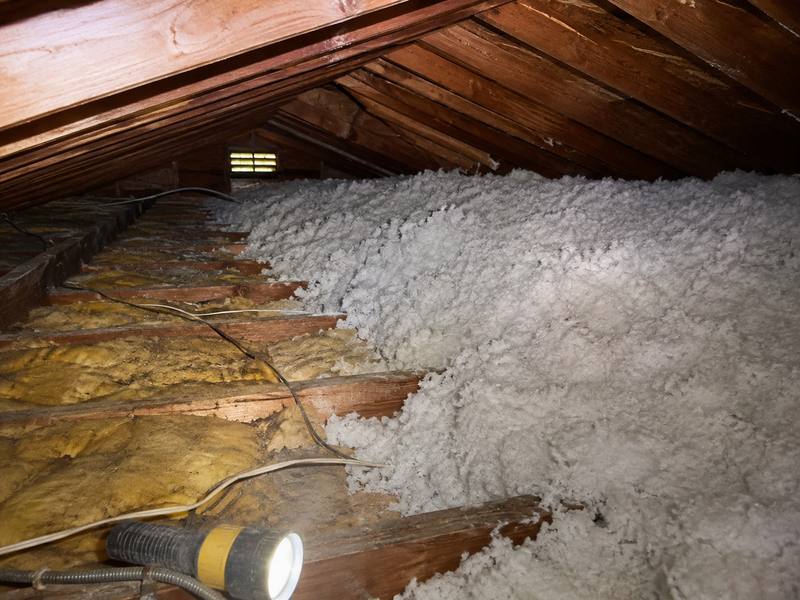
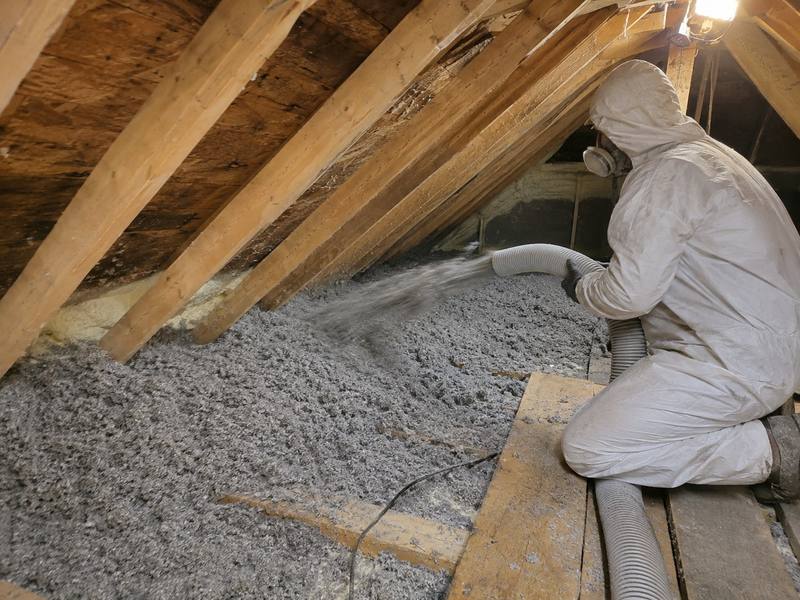
An open attic floor rarely needs foam. There's lots of room up there, so we lay blown-in fibreglass or cellulose over the ceiling joists to full depth with far less material. Foam goes at the tight spots: the top plates and the gaps around pipes coming up through the ceiling. Our attic insulation page shows how a top-up goes in over the old layer.
Grey-brown, pebbly insulation in a 1960s attic may be vermiculite, and our crew won't touch it. We stop the job. A qualified lab or abatement firm should test it before any other work happens in that attic.
Where we'd start
Three spots are worth checking in a house like these, and you can check each one yourself.
- Floors cold near the outside walls? Check the rim joist at the top of the basement wall. We put closed-cell spray foam into each joist bay.
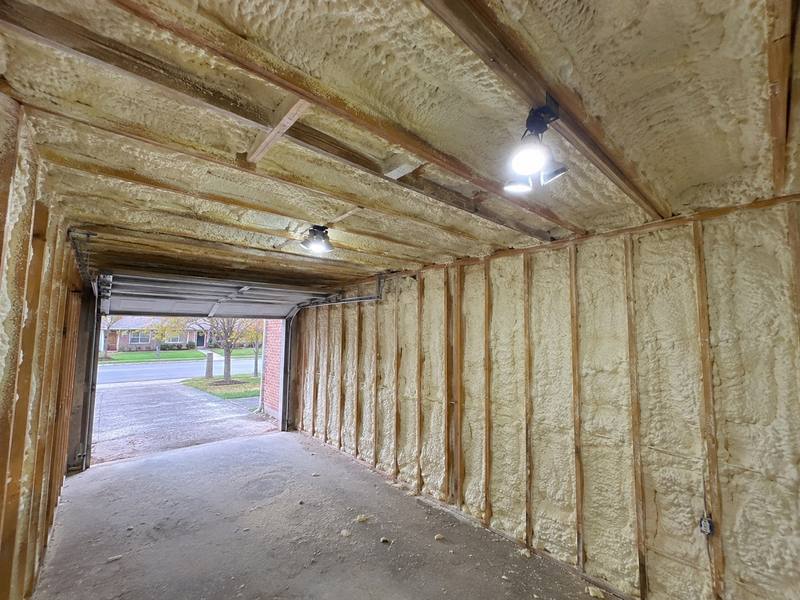
- A bedroom over the garage that never warms up points to the garage ceiling underneath it. Spray foam fills the joist bays below the bedroom floor.
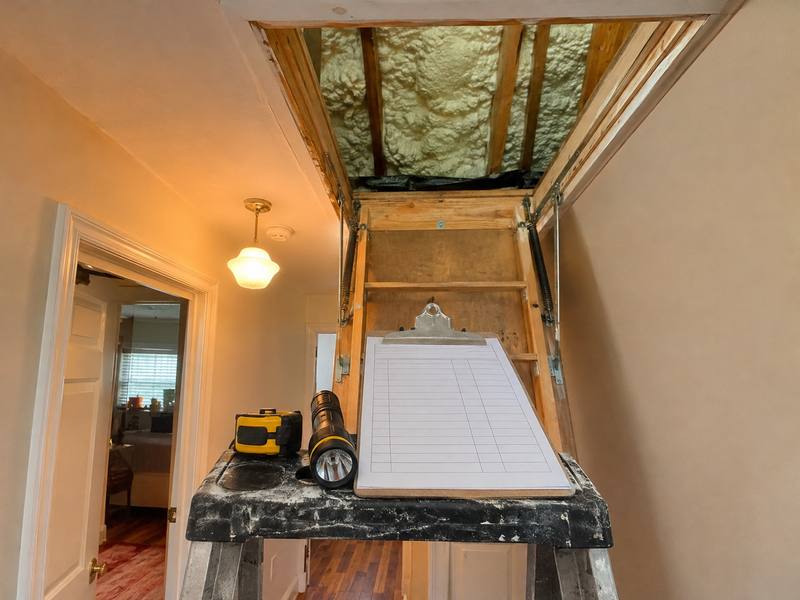
- Open the attic hatch and look. If you can see the tops of the ceiling joists, the attic floor is thin and there's room for a blown-in top-up.
Nearby: Weston, Humberlea and North Park
Our Weston page covers the neighbourhood right next to Westmount.
We also work in Humberlea nearby, and it has a page of its own.
North Park is the other close neighbour. For everything we do, see our home page.
Local details for Westmount
- Postal codes: M9P
- Distance: About 5 km away in a straight line
- Nearby: Weston, Humberlea, North Park
FAQ
Insulation questions from Westmount
Start with the attic if the insulation sits below the tops of the ceiling joists. If the attic is already deep, start with the rim joist. A house built in the 1960s may still have its original thin attic floor, and blown-in fibreglass or cellulose builds it up. Cold floors along the outside walls point to the rim joist, and closed-cell spray foam is what we use there.
Yes, if the basement walls are dry and you plan to use or finish the space. A large house has a lot of wall, though, so doing only the rim joist is a smaller first job, and it stops the draft at the top of the wall. Water coming through the walls has to be fixed before any insulation goes on.
We start from what you feel: cold floors along an outside wall send us to the rim joist, a cold room over a garage sends us to the garage ceiling, and an upstairs that bakes in July sends us to the attic hatch to check the depth. Then we say which one to do first.

Get a quote
Arrange an insulation visit in Westmount
Call (437) 563-1415 or send the form. Tell us which room is cold, drafty or hot. We will come look at the spot behind it and give you a straight written quote.